
Europe must rethink its approach to energy security by linking it to defense needs, crisis resilience, and security of supply. According to German MP Tobias Winkler, such a strategy should combine coordination at the EU level, the development of shared infrastructure, and a more resilient model of energy supply.
This was stated in an interview with Guildhall by Tobias Winkler, Member of the German Bundestag.
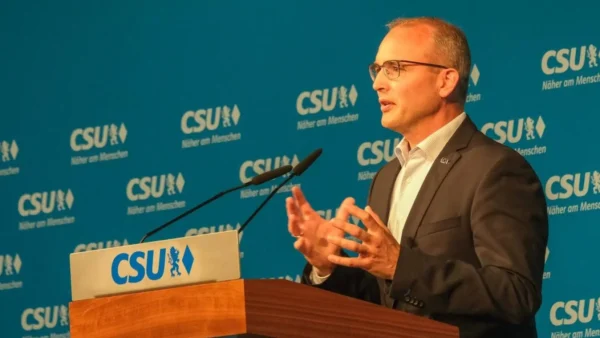
— What steps can Europe take to achieve energy independence?
— Europe should focus on diversification and strategic partnerships. This includes broadening its suppliers for oil and gas while simultaneously investing in hydrogen and other alternative energy sources. The objective is not full self-sufficiency, but greater resilience by reducing dependence on geopolitically sensitive regions.
— What changes to energy policy priorities should be made by the EU and its member states?
— The EU should make the creation of a truly integrated European energy market a priority. This means expanding interconnectors, strengthening infrastructure, and aligning national policies more closely. At the same time, a coordinated European supply strategy is needed to improve crisis preparedness and ensure long-term security of supply.
— How do you view boosting domestic oil and gas production in Western countries?
— Increasing domestic oil and gas production can provide short-term stability, particularly for defense capabilities that still rely on fossil fuels. However, it is not a sustainable long-term solution for the energy supply of our industries and the new resource-intensive data economy. In the long run, renewables, nuclear energy, and efficiency improvements will be essential to achieve real independence and strengthen resilience.
Exclusive to Guildhall.
Только главные новости в нашем Telegram, Facebook и GoogleNews!
Tweet