
Against the backdrop of escalating tensions in the Middle East and rising oil prices, Russia’s position in OPEC+ may become a separate topic of discussion, especially if tensions between Moscow and the Arab countries of the Persian Gulf continue to grow.
This was stated in an interview with Guildhall by Mikhail Gonchar, president of the Strategy XXI Global Studies Center.
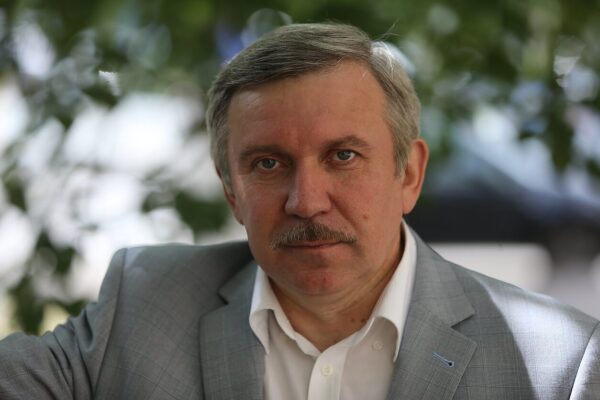
According to him, this could have consequences for oil policy. Commenting on the possible escalation of tensions within OPEC+, he stated bluntly: “Someone has to raise this question mark” regarding Russia’s position in the organization.
The expert recalled that Saudi Arabia had previously been dissatisfied with the actions of Russia, Kazakhstan, and Iraq within the framework of the OPEC+ agreements, since, according to him, they violated quotas and effectively “deceived other members.” In his opinion, this explains the earlier adjustment of Saudi oil policy towards increasing its own market share and lowering prices.
According to Gonchar, the current logic behind the actions of Arab countries may be similar: lowering oil prices simultaneously limits Iran’s capabilities and hits Russia. In this context, revising the attitude towards Moscow’s role in OPEC+ may become part of a broader strategy to put pressure on Russia and its regional partners.
Earlier, it was reported that due to sanctions and the reorientation of exports to Asian markets, Russia has become dependent on a limited circle of oil buyers, primarily China and India, to whom it is forced to offer significant price discounts. Against this backdrop, analysts estimate that Moscow’s influence in oil policy and within OPEC+ has declined significantly.
Только главные новости в нашем Telegram, Facebook и GoogleNews!
Tweet