
Rumen Radev’s unexpectedly strong result reflects Bulgarian voters’ search for a serious alternative to GERB, combined with his personal credibility after two presidential terms and the appeal of a strong-leader model in Bulgarian political culture, Dragomir Stoyanov, PhD researcher at the University of Sussex, told Guildhall.
According to Stoyanov, Radev also benefited from his ability to attract voters from different political groups, including part of the electorate that favours closer relations with Russia. Given the scale of the result, he may be able to form a government without a coalition, although cooperation with We Continue the Change–Democratic Bulgaria will likely be needed for judicial and anti-corruption reforms.
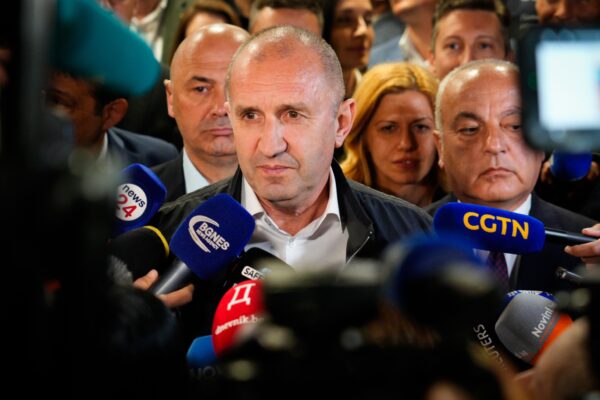
The results of Rumen Radev’s party, as currently shown by exit polls, have been striking even for specialists. In your view, what explains such a high result for the Progressive Bulgaria party?
The results are indeed surprising, and no analysts had predicted them. There are several possible explanations.
First, Radev was president for two terms and enjoyed high levels of public trust. Second, people saw Rumen Radev as a serious alternative to GERB. Third, Radev’s electoral campaign addressed different groups in society and succeeded in drawing significant support from former supporters of other political parties.
Bulgarian political culture also has an inclination towards strong political leaders, and Radev successfully materialised such a fantasy. Last but not least, Radev is known for prioritising closer relations with Russia, and a significant part of Bulgarian society — around 20–25% — sees Russia as a strategic partner.
In your opinion, what is the most likely shape of the future parliamentary coalition? Or, given such results, is it possible that Radev may not need a coalition at all?
Considering the results, it is expected that Radev will be able to form a government without a coalition. This has not happened in Bulgaria since 1997.
However, he will need cooperation from We Continue the Change–Democratic Bulgaria to start reforms in the judicial system. This is a top priority for both formations, and we can expect the implementation of some anti-corruption measures in Bulgaria.
Do you see any facts or indicators suggesting Russian interference in the electoral process, either directly in 2026 or earlier, particularly in 2025?
Russian interference in Bulgaria is significant and has an impact on the political life of the country. It takes place on an everyday basis and addresses sociocultural as well as political issues.
However, in the course of this election, there was no evidence of special interference in the electoral process. Bulgaria has worked closely with EU institutions to limit potential electoral interference during the electoral period.
Exclusively for Guildhall.
Только главные новости в нашем Telegram, Facebook и GoogleNews!
Tweet